April 30, 2011
April 29, 2011
Friday Ramble - Farewell to An Old Friend
One of my favorite old trees tumbled to the ground in yesterday afternoon's gale, and this may be the last photo ever taken of her. Tree was well over a hundred years old at the time of her passing and several feet in circumference. In her descent, she took along a wide swath of hedgerow, several antique roses and a stretch of fencing. The earth trembled as she came to rest in the garden.
I am sad. Maple was the first wise being I saw in the morning when I pulled the draperies open, and she was the first wise entity I greeted - we had been friends for many years. There was elemental grace and dignity in every hallowed curve and twig of her, an almost timeless sense of peace and stalwart tranquility. She was a favored perching place for crows, falcons, squirrels and raccoons, and we are, all of us, going to miss her very much.
April 28, 2011
Thursday Poem - For the Children
The rising hills, the slopes,
of statistics
lie before us.
the steep climb
of everything, going up,
up, as we all
go down.
In the next century
or the one beyond that,
they say,
are valleys, pastures,
we can meet there in peace
if we make it.
To climb these coming crests
one word to you, to
you and your children:
stay together
learn the flowers
go light
Gary Snyder
(from Turtle Island )
learn the flowers
go light
Gary Snyder
(from Turtle Island )
April 27, 2011
April 25, 2011
Rain, Rain
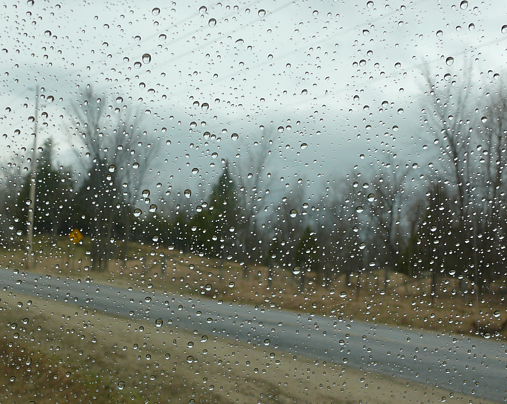
Village skies are cloudy this morning, and there is precipitation in the forecast for the next several days. A light rain is already falling, and there is a lustrous pearly gray sheen on everything in view, roof lines, chimneys, streets, trees, parked vehicles, children marching off to school after the Easter holiday with backpacks, bright rain slickers, harlequin colored umbrellas and shiny rubber boots.
Who knows? Perhaps today's rainfall will put paid to the last few inches of ice in the garden shed. Our patio furniture, tools and barbeque are still stuck fast out there in the dim recesses, and they are longing for freedom.
In the absence of good light for photography, this is a fine day for reading, pondering and tending one's mental garden. There is fey harp music on the sound system, and there are books heaped on the old oak library table: books on art, photography, creativity, local geology, barn architecture, hydrostatics, mythology, folklore, bugs, butterflies and gardening. Volumes on the glorious gardens of Trelissick and Heligan beckon too, and there is a copy of the National Trust Book of Gardens close at hand. One cannot tackle such undertakings without pots of Darjeeling and Earl Grey, or perhaps a nice smoky Lapsang Souchong.
Rain patters on the roof like footsteps and makes lovely wet patterns on the roof of my red umbrella - it sets the wind chimes in the eaves dancing and glosses with silver the enchantments of a day that might in other circumstances be called simply "gray".
Who knows? Perhaps today's rainfall will put paid to the last few inches of ice in the garden shed. Our patio furniture, tools and barbeque are still stuck fast out there in the dim recesses, and they are longing for freedom.
In the absence of good light for photography, this is a fine day for reading, pondering and tending one's mental garden. There is fey harp music on the sound system, and there are books heaped on the old oak library table: books on art, photography, creativity, local geology, barn architecture, hydrostatics, mythology, folklore, bugs, butterflies and gardening. Volumes on the glorious gardens of Trelissick and Heligan beckon too, and there is a copy of the National Trust Book of Gardens close at hand. One cannot tackle such undertakings without pots of Darjeeling and Earl Grey, or perhaps a nice smoky Lapsang Souchong.
Rain patters on the roof like footsteps and makes lovely wet patterns on the roof of my red umbrella - it sets the wind chimes in the eaves dancing and glosses with silver the enchantments of a day that might in other circumstances be called simply "gray".
Merlin's Song
Merlin (Falco columbarius)
Through the open window yesterday there came a familiar high pitched song, a springtime cantrip of staccato cadence, kee-kee-kee-kee-kee. The song was cheerful, but our feelings on hearing it were ambivalent.
Down went books and cups of tea, up came the camera, and out to the garden we went, Himself and Spencer and I. A young male merlin (Falco columbarius) was perched in the top of an old corner maple and was announcing his fierce and lusty presence to the world at the top of his lungs. A merlin's song in springtime carries for some distance, and within a few minutes a second male arrived on the scene. There was a brief frantic tussle and the interloper flew off toward the river with dejection in every plume and pinion.
Once called "pigeon hawks", the little falcons are fast moving, agile and deadly predators and fearless - they don't think twice about attacking anything that moves. Somewhat elusive, they have never been numerous here, but a few pairs nest in a nearby wooded park, and we suspect our visitor was a member of that community. Several years ago, plans to turn part of our park into a traffic circle were derailed when a small colony of nesting merlins was discovered in it, and the birds have been nesting there ever since. The decision to leave the park and its residents alone was one of those rare occasions when Mother Nature wins a round, and we were absolutely jubilant when it was announced.
Yesterday's sighting was a wonderful thing, but having been photographed, we hope our falcon departs and stays away for several weeks. Cardinals and house finches are nesting in our hedgerows, and merlins, as much as we admire them, are not particularly welcome at this time of the year. Their continued presence does not bode well for our blithely parenting songbirds.
I often wonder why it is that my elderly noggin cannot retain the names of television programs and popular celebrities but remembers the names of plants, animals, insects and birds every single time - even the Latin names.
April 24, 2011
April 23, 2011
Small Beginnings
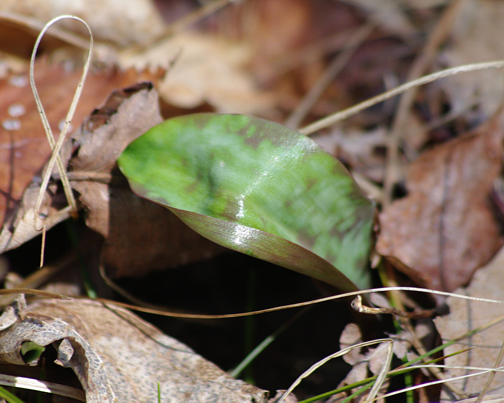
Trout Lily Leaf
(Erythronium americanum)
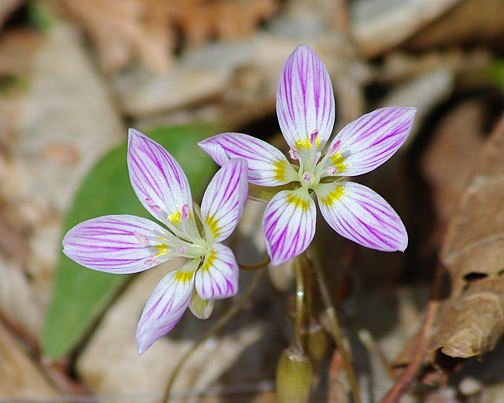
Spring Beauty
(Claytonia virginica)
(Erythronium americanum)
(Claytonia virginica)
There is little to be seen in our woods at present, and that is because of an unseasonably cold spring season - temperatures here are still only a little above freezing during the day, and sometimes well below zero at night. We are probably about a month behind when it comes to wildflowers blooming and new leaves popping out, and there is no sign yet of my favorite early bloomer, Bloodroot (Sanguinaria canadensis) with its snowy petals, golden heart and artfully scalloped enfolding leaves.
There are (however) delightfully mottled Trout Lily (Erythronium americanum) leaves showing up here and there, and yesterday morning I found a single tiny clump of Spring Beauty (Claytonia virginica) blooming in a sheltered nook in the eastern gorge, also the delicately feathered blue-green leaves of Dutchman's Breeches (Dicentra cucullaria) nearby. I had brought along a field notebook and marked each specimen carefully on a grid of the Two Hundred Acre Wood - these are the first entries in this year's careful study of native wildflowers, weeds and herbs. Every year another study begins, and there is always something new and wonderful.
For all the cold temperatures and wind, there were woodpeckers, brown creepers and amorous chickadees cavorting in the trees, exuberantly drumming grouse on hollow logs in the woods, vultures soaring in high lazy circles over our heads. Surely, we need only be patient for a little longer, and springtime will truly arrive, strewing warmth, sunlight and green leaves everywhere.
April 22, 2011
Friday Ramble - Earth Day
Good Friday and Earth Day are together this year, and so this cold bright day is doubly hallowed, early sunlight glinting off roof lines, hoarfrost on the tall evergreens sparkling wonderfully.
The word earth dates from well before 950 CE, and it comes to us through the good offices of the Middle English erthe, the Old English eorthe; the Germanic Erde, Old Norse jǫrth, Danish jord and the Gothic airtha, all springing from the Ancient Saxon eard meaning soil, home, or dwelling. All are related to the Latin aro, meaning to plough or turn over. Thus to be earthy or "of the earth" is simply to dwell here, to be a steward, a gardener, a tender shepherd of wild places.
Where on earth does one find words and images to express the wonder and beauty and sacredness of this little blue world in which we all walk and dream and live out our allotted days? I sit and mutter in front of the computer screen - I sort through archived images, come close to despairing and decide to renounce photography altogether before choosing something from this week. Giving up photography is unlikely to happen, but on Earth Day, I am most painfully aware of my creative shortcomings and sad that I cannot do better.
We are all yearning for wholeness and connection. On this day, we can look back on the long journey we have taken this far and hopefully understand that we are part of Mother Earth as She is part of us. To borrow the words of wise woman and deep ecologist, Joanna Macy, "We are our world knowing itself".
Deep gasshos to the Old Wild Mother, to Mother Earth herself who endures and forgives and strives to heal. This one is for you, Mama, with thanksgiving and a whole heart full of wonder. May we continue to witness your grandeur and patience and reciprocity for many years to come, and may we be your fierce and loving advocates all the days of our earthly lives. Blessed be.
The word earth dates from well before 950 CE, and it comes to us through the good offices of the Middle English erthe, the Old English eorthe; the Germanic Erde, Old Norse jǫrth, Danish jord and the Gothic airtha, all springing from the Ancient Saxon eard meaning soil, home, or dwelling. All are related to the Latin aro, meaning to plough or turn over. Thus to be earthy or "of the earth" is simply to dwell here, to be a steward, a gardener, a tender shepherd of wild places.
Where on earth does one find words and images to express the wonder and beauty and sacredness of this little blue world in which we all walk and dream and live out our allotted days? I sit and mutter in front of the computer screen - I sort through archived images, come close to despairing and decide to renounce photography altogether before choosing something from this week. Giving up photography is unlikely to happen, but on Earth Day, I am most painfully aware of my creative shortcomings and sad that I cannot do better.
We are all yearning for wholeness and connection. On this day, we can look back on the long journey we have taken this far and hopefully understand that we are part of Mother Earth as She is part of us. To borrow the words of wise woman and deep ecologist, Joanna Macy, "We are our world knowing itself".
Deep gasshos to the Old Wild Mother, to Mother Earth herself who endures and forgives and strives to heal. This one is for you, Mama, with thanksgiving and a whole heart full of wonder. May we continue to witness your grandeur and patience and reciprocity for many years to come, and may we be your fierce and loving advocates all the days of our earthly lives. Blessed be.
April 21, 2011
Thursday Poem - Daily (For Earth Day)
These shriveled seeds we plant,
corn kernel, dried bean,
poke into loosened soil,
cover over with measured fingertips
These T-shirts we fold into
perfect white squares
These tortillas we slice and fry to crisp strips
This rich egg scrambled in a gray clay bowl
This bed whose covers I straighten
smoothing edges till blue quilt fits brown blanket
and nothing hangs out
This envelope I address
so the name balances like a cloud
in the center of sky
This page I type and retype
This table I dust till the scarred wood shines
This bundle of clothes I wash and hang and wash again
like flags we share, a country so close
no one needs to name it
The days are nouns: touch them
The hands are churches that worship the world
Naomi Shihab Nye,
(from The Words Under the Words)
April 20, 2011
April 19, 2011
For Pesach (Passover)
They thought they were safe
that spring night; when they daubed
the doorways with sacrificial blood.
To be sure, the angel of death
passed them over, but for what?
Forty years in the desert
without a home, without a bed,
following new laws to an unknown land.
Easier to have died in Egypt
or stayed there a slave, pretending
there was safety in the old familiar.
But the promise, from those first
naked days outside the garden,
is that there is no safety,
only the terrible blessing
of the journey. You were born
through a doorway marked in blood.
We are, all of us, passed over,
brushed in the night by terrible wings.
Ask that fierce presence,
whose imagination you hold.
God did not promise that we shall live,
but that we might, at last, glimpse the stars,
brilliant in the desert sky.
Lynn Ungar,
(from Blessing the Bread)
This is the first day of Passover. Happy Pesach to everyone!
April 18, 2011
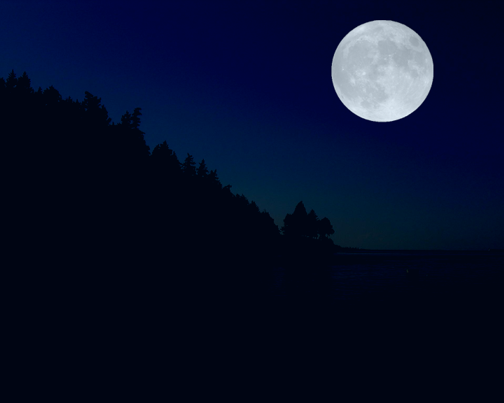
The Egg Moon of April
When April's full moon makes her appearance, the snow is usually (although not always) gone, but the landscape has not quite begun its blithe greening, its shaggy bursting forth into color and fragrance and song. There is however the tang of fresh earth underfoot and vibrant sap flowing along through every twig and branch. The northern world is awakening, and we cavort like perfect fools on the cusp between winter and spring. In its resemblance to a great cosmic egg, April's full moon expresses the greening of the earth and new life quickening.
A puckish business is this life in the great round and the matter of moons. One goes out with tripod and camera, and she hopes to see Lady Moon rising on her special night, but can never be sure of actually seeing her. In springtime, the moon is often concealed by rain clouds and cannot be seen, but last evening she rose like a pearl over hills, evergreens, water and one old hen with camera and tripod.
Around this time every year, this time I find myself in the embrace of vague amorphous longings which defy description. I wander for hours, reaching out toward something that cannot be defined or described or captured. I dream of standing on a wild shore somewhere, watching the moon rise over the trees and the stars dancing overhead. Whens she rises, Lady Moon quiets the longings, sometimes old stones do, a single rainy leaf or Canada geese passing overhead. I really should be beyond such yearnings by now, but thy become stronger and more compelling with every passing year.
We also know this restless yearning moon as the: Ashes Moon, Big Spring Moon, Broken Snowshoe Moon, Budding Trees Moon, Bullhead Moon, Cherry Blossom Moon, Daisy Moon, Moon, Egg Moon, Fish Moon, Flower Moon, Fourth Moon, Frog Moon, Glittering Snow on Lake Moon, Grass Moon, Gray Goose Moon, Great Sand Storm Moon, Green Grass Moon, Growing Moon, Half Spring Moon, Hare Moon, Ice Breaking in the River Moon, Leaf Split Moon, Loon Moon, Maple Sap Boiling Moon, Moon of Greening Grass, Moon of Red Grass Appearing, Moon of the Big Leaves, Moon of the Red Grass Appearing, Moon of Windbreak, Moon When Geese Return in Scattered Formation, Moon When Nothing Happens, Moon When the Geese Lay Eggs, Moon When They Set Indian Corn, Moon, Pink Moon, Planter's Moon, Planting Corn Moon, Planting Moon, Poinciana Moon, Red Grass Appearing Moon, Ring Finger Moon, Seed Moon, Snowdrop Moon, Snowshoe Breaking Moon, Spring Moon, Sprouting Grass Moon, Strawberry Moon, Strong Moon, Sugar Maker Moon, Summer Moon, Sweet Pea Moon, Moon, Tulip Moon, White Lady Moon, Wildcat Moon, Willow Moon, Wind Moon
A puckish business is this life in the great round and the matter of moons. One goes out with tripod and camera, and she hopes to see Lady Moon rising on her special night, but can never be sure of actually seeing her. In springtime, the moon is often concealed by rain clouds and cannot be seen, but last evening she rose like a pearl over hills, evergreens, water and one old hen with camera and tripod.
Around this time every year, this time I find myself in the embrace of vague amorphous longings which defy description. I wander for hours, reaching out toward something that cannot be defined or described or captured. I dream of standing on a wild shore somewhere, watching the moon rise over the trees and the stars dancing overhead. Whens she rises, Lady Moon quiets the longings, sometimes old stones do, a single rainy leaf or Canada geese passing overhead. I really should be beyond such yearnings by now, but thy become stronger and more compelling with every passing year.
We also know this restless yearning moon as the: Ashes Moon, Big Spring Moon, Broken Snowshoe Moon, Budding Trees Moon, Bullhead Moon, Cherry Blossom Moon, Daisy Moon, Moon, Egg Moon, Fish Moon, Flower Moon, Fourth Moon, Frog Moon, Glittering Snow on Lake Moon, Grass Moon, Gray Goose Moon, Great Sand Storm Moon, Green Grass Moon, Growing Moon, Half Spring Moon, Hare Moon, Ice Breaking in the River Moon, Leaf Split Moon, Loon Moon, Maple Sap Boiling Moon, Moon of Greening Grass, Moon of Red Grass Appearing, Moon of the Big Leaves, Moon of the Red Grass Appearing, Moon of Windbreak, Moon When Geese Return in Scattered Formation, Moon When Nothing Happens, Moon When the Geese Lay Eggs, Moon When They Set Indian Corn, Moon, Pink Moon, Planter's Moon, Planting Corn Moon, Planting Moon, Poinciana Moon, Red Grass Appearing Moon, Ring Finger Moon, Seed Moon, Snowdrop Moon, Snowshoe Breaking Moon, Spring Moon, Sprouting Grass Moon, Strawberry Moon, Strong Moon, Sugar Maker Moon, Summer Moon, Sweet Pea Moon, Moon, Tulip Moon, White Lady Moon, Wildcat Moon, Willow Moon, Wind Moon
April 17, 2011
Water Runs Down
We dreamed of songbirds and apple trees in bloom and awakened to gray skies, the sound of rain on the roof beating a staccato time that eschews meter and metronome, a puckish wind capering in the eaves and ruffling last autumn's leaves like decks of tattered playing cards. There was even snow for a few minutes last evening, and water went dancing down the lane with mad abandon, a thousand little waterfalls carrying leaves and tiny icicles.
The various cameras were charged up and readied for pottering in the woods, but this has not turned out to be a good weekend for rambling. For a brief time, there was water in the garage, and the Passat resided in a shallow pond until the accumulation made its way through the thawed and frantically working drains. When the waters receded, I scooped a a noble proportion of rust from an old spade into a mason jar to be used later in arty undertakings - the natural iron oxide pigments produce lovely ochres, siennas and umbers, and they're great fun to work with.
As I was laying claim to my rusty bounty, I found myself thinking about the fact that we humans have been using such oxides in our artistic endeavors as far back as the magnificent prehistorical caves of Lascaux - I would be a happy camper if I could ever produce something a fraction as gorgeous as the Chinese horse. I thought about the fact that a heady brew of rust (iron oxides), carbon dioxide and water is where all sentient life begins. I remembered too that the Japanese word for rust is sabi (錆), as in wabi sabi (侘寂) - that comprehensive Asian world view or aesthetic centered on notions of transience, simplicity and naturalness or imperfection.
We will spend today clearing up in our reclaimed garage, baking and drinking tea (possibly chrysenthemum), looking out and marveling at the patterning of raindrops on the glass panes, the painterly way that the trees, serendipitous tributaries and old wooden fences beyond are beaded with glistening moisture. Each and every raindrop is an atomy, a minute world teeming with vibrant life, whole universes within looking up at the old hen bent over them in wonder.
The various cameras were charged up and readied for pottering in the woods, but this has not turned out to be a good weekend for rambling. For a brief time, there was water in the garage, and the Passat resided in a shallow pond until the accumulation made its way through the thawed and frantically working drains. When the waters receded, I scooped a a noble proportion of rust from an old spade into a mason jar to be used later in arty undertakings - the natural iron oxide pigments produce lovely ochres, siennas and umbers, and they're great fun to work with.
As I was laying claim to my rusty bounty, I found myself thinking about the fact that we humans have been using such oxides in our artistic endeavors as far back as the magnificent prehistorical caves of Lascaux - I would be a happy camper if I could ever produce something a fraction as gorgeous as the Chinese horse. I thought about the fact that a heady brew of rust (iron oxides), carbon dioxide and water is where all sentient life begins. I remembered too that the Japanese word for rust is sabi (錆), as in wabi sabi (侘寂) - that comprehensive Asian world view or aesthetic centered on notions of transience, simplicity and naturalness or imperfection.
We will spend today clearing up in our reclaimed garage, baking and drinking tea (possibly chrysenthemum), looking out and marveling at the patterning of raindrops on the glass panes, the painterly way that the trees, serendipitous tributaries and old wooden fences beyond are beaded with glistening moisture. Each and every raindrop is an atomy, a minute world teeming with vibrant life, whole universes within looking up at the old hen bent over them in wonder.
April 16, 2011
April 15, 2011
Friday Ramble - Bloom
Blue skies and fluffy clouds overhead, birdsong, avian courtship rites and nesting birds everywhere - the village was greening up before our eyes as Spencer and I pottered about and peered into hedgerows yesterday.
On such a day, how can the word be anything except bloom? The word originates in the Middle English blom or blome, meaning to open up and flower lavishly, to glow with health and well-being, to be as sleek and glossy as an otter, as rosy, dewy and flushed with sunlight as a tulip or an early blooming orchid in a wild and wooded place. There are probable connections (or roots) between bloom and bhel in Proto-Indo-European, that hypothetical common ancestor of all modern European languages - in that ancient, oral and unscribed tongue, bhel means to grow, swell, or unfold, to leaf out or come into flower.
Perhaps a better word for this week would be sex, for that is what all these lush colors, alluring fragrances, velvety textures and cheery songs are about - the Old Wild Mother's madcap springtime dance of exuberance, fertility and fruitfulness. Every species on the planet seems focused on proliferating its species and perpetuating its own heady genetic brew, and their sheer pleasure in being alive in springtime is almost tangible.
Forsaking appointed chores, we poke around in the garden, ramble though greening thickets and contemplate the blue sky for long intervals. It's simply a matter of blooming wherever one happens to be planted. Spencer is already a master of that Zen art, and I am working on it.
On such a day, how can the word be anything except bloom? The word originates in the Middle English blom or blome, meaning to open up and flower lavishly, to glow with health and well-being, to be as sleek and glossy as an otter, as rosy, dewy and flushed with sunlight as a tulip or an early blooming orchid in a wild and wooded place. There are probable connections (or roots) between bloom and bhel in Proto-Indo-European, that hypothetical common ancestor of all modern European languages - in that ancient, oral and unscribed tongue, bhel means to grow, swell, or unfold, to leaf out or come into flower.
Perhaps a better word for this week would be sex, for that is what all these lush colors, alluring fragrances, velvety textures and cheery songs are about - the Old Wild Mother's madcap springtime dance of exuberance, fertility and fruitfulness. Every species on the planet seems focused on proliferating its species and perpetuating its own heady genetic brew, and their sheer pleasure in being alive in springtime is almost tangible.
Forsaking appointed chores, we poke around in the garden, ramble though greening thickets and contemplate the blue sky for long intervals. It's simply a matter of blooming wherever one happens to be planted. Spencer is already a master of that Zen art, and I am working on it.
April 14, 2011
Thursday Poem - Why We Tell Stories
(For Linda Foster)
I
Because we used to have leaves
and on damp days
our muscles feel a tug,
painful now, from when roots
pulled us into the ground
and because our children believe
they can fly, an instinct retained
from when the bones in our arms
were shaped like zithers and broke
neatly under their feathers
and because before we had lungs
we knew how far it was to the bottom
as we floated open-eyed
like painted scarves through the scenery
of dreams, and because we awakened
and learned to speak
2
We sat by the fire in our caves,
and because we were poor, we made up a tale
about a treasure mountain
that would open only for us
and because we were always defeated,
we invented impossible riddles
only we could solve,
monsters only we could kill,
women who could love no one else
and because we had survived
sisters and brothers, daughters and sons,
we discovered bones that rose
from the dark earth and sang
as white birds in the trees
3
Because the story of our life
becomes our life
Because each of us tells
the same story
but tells it differently
and none of us tells it
the same way twice
Because grandmothers looking like spiders
want to enchant the children
and grandfathers need to convince us
what happened happened because of them
and though we listen only
haphazardly, with one ear,
we will begin our story
with the word and
Lisel Mueller
April 13, 2011
April 12, 2011
Shimmering
One of those springtime sunsets so vivid and powerful and luminous that it brings the shoreline witness to her knees. At the same time, it makes her want to sing and dance (or more likely hobble and lurch) along the beach in sheer jubilation.
The descending sun pours its light over the lake like liquid gold, and the western shore is merely a suggestion of misty hills seen through the shimmer. Only a fool would try to paint such liminal moments, and even the best of photos seldom captures more than a scrap of the magic of them, but I am a fool and admit it cheerfully.
If these sunsets were potions, they would pack enough radiant power to convey immortality. Even old Croesus can't match such riches, but he would be entranced by all this gold.
The descending sun pours its light over the lake like liquid gold, and the western shore is merely a suggestion of misty hills seen through the shimmer. Only a fool would try to paint such liminal moments, and even the best of photos seldom captures more than a scrap of the magic of them, but I am a fool and admit it cheerfully.
If these sunsets were potions, they would pack enough radiant power to convey immortality. Even old Croesus can't match such riches, but he would be entranced by all this gold.
April 11, 2011
April 10, 2011
Spring Hepatica
Sharp-Lobed Hepatica (Hepatica acutiloba)
Seek and ye shall find wild sylvan riches in springtime...
Yesterday, we discovered the first hepatica of the season, a single cluster of ten blooms in a sunny protected nook on a granite wall in the gorge. Within a week, the entire forest floor will be carpeted with these tiny delicate flowers in shades ranging from snowy white to violet blue.
Tucked in behind the hepatica was a minute striped specimen of its favorite woodland companion, Spring Beauty (Claytonia virginica). Soon there will be millions of these in the woods too.
Yesterday, we discovered the first hepatica of the season, a single cluster of ten blooms in a sunny protected nook on a granite wall in the gorge. Within a week, the entire forest floor will be carpeted with these tiny delicate flowers in shades ranging from snowy white to violet blue.
Tucked in behind the hepatica was a minute striped specimen of its favorite woodland companion, Spring Beauty (Claytonia virginica). Soon there will be millions of these in the woods too.
April 9, 2011
April 8, 2011
Friday Ramble - Pot
Double, double toil and trouble;Fire burn, and cauldron bubble.
William Shakespeare, Macbeth
Act !V, Scene 1
It remains (I think) one of my favorite intervals in the whole turning year - the cold sunny days around the time of the Vernal Equinox when the maple syrup season begins - the Lanark woods echo with the songs of saw-whet owls, clouds of white smoke rise over the trees, and the fragrance of boiling maple sap fills the air. This year the syrup season was late starting thanks to an unusually long cold winter, but it is is full swing now.
The sylvan alchemy at work in the north woods in March and April is wild and sweet, and the metaphor of the cauldron or pot has profound resonance for me. There is the battered Dutch oven I carried for time out of mind as I wandered and camped all over this continent (and a few others too), brewing up countless soups, beverages and stews by starlight and watching thoughtfully as the sparks went dancing into the velvet skies above the rim of my old pot.
These days, there is the stockpot on the stove in the kitchen of the little blue house in the village and my rice cooker, bean crocks and unglazed earthenware tajines (or tagines), the little three-legged cast iron incense bowl which sits on the battered oak table here in the study. In late March and early April, there are the farms and sugar camps of friends, miles of sap collecting hose in bright colors strung from tree to tree in the woodland, wood-fired evaporators brewing up maple syrup, old tin sap collecting pails and boiling syrup cauldrons thoughtfully put out for visitors to demonstrate how maple syrup was made in the past.
The night which gifts us with stars and enfolds us gently when the sun goes down is a great cauldron or bowl, and Cerridwen stirs her heady cosmic brew of knowledge, creativity and rebirth round and round in a magical cauldron set over a mystic cook fire. From that cauldron, the bard Taliessin partook of a single drop and awakened into wisdom and song.
We are all vessels, and one of the best motifs for this life is surely a pot or cauldron, one battered, dented and well traveled, but continuing to serve and happy to be doing it, bubbling and crackling away in the background (sometimes in the foreground), making happy musics and occasionally sending bright motes up into the air.
... and so it is with this silvery old head in springtime when the wild places begin to awaken. Notions of alchemy bubble away gently; sparks fly upward, images cosmic, wild and domestic dance about in my thoughts. The awakening of the earth is a happy happy thing.
I've been away from here for a few days because of health issues, and it is good to be back again.
April 5, 2011
Oh Splendid Bird
It is that time of year, and these handsome fellows are all over the countryside in search of female companionship. They preen and strut and gobble; they admire themselves endlessly in melt pools, their noble heads flushed crimson and silvery blue. They display their iridescent plumage and fan shaped tails like peacocks, and their glossy bronze wing flashing is magnificent stuff indeed.
I've been trying to capture springtime photos of the birds for years with mixed success. Now, the turkey lads who live on the Two Hundred Acre Wood have accepted me as a neighbor, and I see them everywhere in April. I could almost have reached out and touched this one near the gate, and there would have been no problem.
April 4, 2011
In Wind and Light
Early springtime days have a wonderful way of quieting one's thoughts and breathing patterns, bringing her back to a still and reflective space. I sat on a log for some time yesterday, watching as tattered scraps of birch bark moved back and forth in the north wind. When the morning sun slipped out from behind the clouds, beams of sunlight passed through the blowing strands and turned them bright red and translucent, for all the world like wild elemental stained glass.
When I touched the old tree, my fingers came away with a dry springtime sweetness on them that lingered for hours. I tucked a thin folio of bark in the pocket of my parka and inhaled its fragrance all the way home.
April 3, 2011
April 2, 2011
Invoking Spring
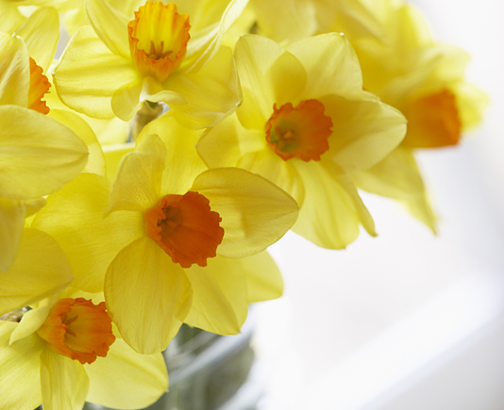
A fine morning in early April, a sunny south facing window and a vase of golden daffodils on the sill....Snow is receding from the garden, and grass is peeking through here and there. The first herons of the season flew over the hill yesterday - they were bound for the nesting colony above the gorge, and the elaborate twiggy nests which have existed there for time out of mind. There are flocks of geese in every field and green headed ducks on every pond. A mated pair of rosy house finches have staked their claim to the wreath on the front door, and cardinals are building a nest in our hedgerow.
The wind is bitter, and the temperature is only a few degrees above freezing this morning, but springtime is on its way at last - one can feel it in the air and hear it too, for the sky is all a twitter.
April 1, 2011
Friday Ramble - Tumble
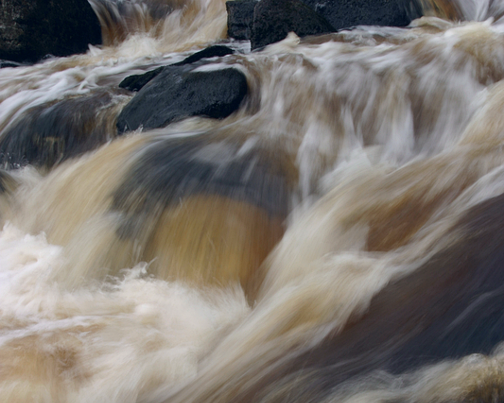
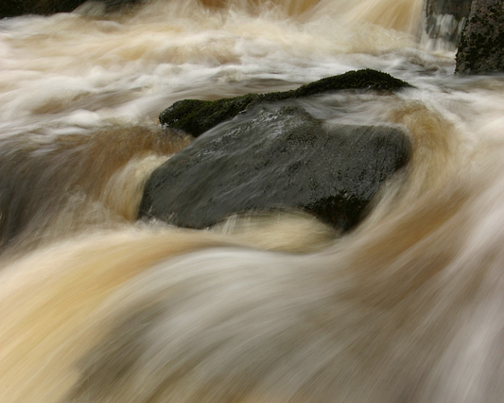
Water tumbling, water and stone.... I say the words to myself over and over, and they're a mantra replenishing the winter weary spirit within.The word tumble comes to us from the Middle English tumblen, thence from the Old English tumbian, meaning "to dance about". Tumble is closely related to the Middle Low German, tummelen which means "to turn or dance", the Dutch tuimelen which means "to fall", the Old High German tumon and the modern German taumeln which mean "to turn or reel." The French word tomber which means "to fall, lurch or flounder" shares these origins.
The early Anglo Saxons knew how to trip the light fantastic, and their language contained several words for dance and dancing: intreprettan, hoppian, hléapan and sealtian to name a few. It is interesting to note that the word tumbler, which is sometimes used to describe a drinking glass, once referred specifically to a glass with a rounded or pointed bottom which could not be set down until it was empty, and the word also describes an acrobat. The expression tumble down is used to describe dilapidated buildings today, but a few centuries ago, it referred to horses which made a habit of stumbling while they were hitched. Then there is the fine expression "rough and tumble" which signifies a certain roughness and withering disdain for rules and regulations.
Tumbling brings to mind a number of things: my ungainly "base over apex" performances on the ice this past winter (although thankfully there are no photographic records of those), the wild clematis vines which tumble with wild abandon and complete insouciance over old rail fences in the countryside. Then there are the graceful tumblings and elegant contortions of Montréal's Cirque de Soleil (Circus of the Sun). The first time I went to see them, it was because their tents looked like something out of a medieval tourney. Then the music, sets, costumes and choreography of Saltimbanco took over, and I was well and truly hooked.
In springtime, there is the madcap tumbling of fast waters, especially one small impetuous river in the highlands - it begins somewhere in the old cedars high up the mountain and tumbles straight down from the rocky heights, arriving at the end of its journey in the beaver pond on the far side of the Two Hundred Acre Wood.
I sit on the rocks by that little river for hours, and I always come away feeling renewed and enchanted. Wonder of wonders, every image I have ever captured there with the camera is more like a painting than a photograph and seems lit from within. Each is complete within itself and beyond description.it. It's kind of a Zen thing.
Subscribe to:
Posts (Atom)